
A detailing shop pays for clicks on “ceramic coating near me” while its website barely appears in organic results. The ads generate calls, but costs rise when competitors bid. Meanwhile, service pages attract visitors who never request an estimate.
Neither channel is necessarily failing. The shop needs an automotive marketing strategy that connects immediate demand with visibility, then measures which inquiries turn into profitable appointments.
Understand What Each Channel Actually Does
Search engine optimization helps search engines understand your pages and helps customers find relevant information without buying every visit. For automotive businesses, that means clear service pages, accurate local business information, useful content, and a website.
Automotive PPC places paid advertisements in front of selected searches. You set targeting, budgets, and bids, then pay according to the campaign's pricing model. Ads can create visibility, but traffic stops when spending stops.
SEO takes longer to develop and does not guarantee first-page rankings. PPC offers faster testing but cannot fix a confusing offer or poor customer experience. Their strengths complement each other when both lead to the same commercial goal.
Use PPC Data to Improve Organic Content
Paid campaigns reveal how people describe their needs. A tint shop might discover searches for “ceramic tint for Texas heat” convert better than broad searches for “car tint.” That finding can guide a more specific organic service page.
Review search terms, location patterns, and bookings rather than treating clicks as proof of demand. Filter irrelevant queries before using ad reports as content ideas. Search terms can be incomplete because of thresholds, so combine them with calls and customer questions.
Build pages that answer purchase concerns: benefits, suitable vehicles, pricing factors, installation time, and aftercare. Keep the message consistent with your advertising. A customer clicking a paint protection film ad should not land on a homepage that buries PPF beneath unrelated services.
Let SEO Strengthen Paid Landing Pages
A clear, fast website helps visitors regardless of how they arrived. If mobile pages load slowly, forms fail, or navigation is confusing, both paid and organic traffic can leave without contacting the shop.
Create focused pages for detailing, wraps, paint correction, and other services you actually provide. Use original photos, readable explanations, service-area details, and realistic expectations. Answer the questions staff hear on the phone.
For paid traffic, test focused calls to action and short forms. Organic visitors may need broader explanations and internal links before deciding. Both audiences should see straightforward contact information and evidence of work.
Importantly, paying Google for ads does not improve organic search rankings. The benefit comes from better customer understanding and stronger pages, not preferential treatment from the search engine.
Coordinate Budgets Around Demand and Capacity
An automotive shop should not spend equally across every service. Prioritize offerings with healthy margins, available appointment slots, and evidence of local demand.
Suppose ceramic coating bookings are strong, but the wrap department has openings next month. A targeted automotive PPC campaign can promote wrap consultations while SEO continues building the category's long-term visibility.
Adjust geography carefully. Drivers may travel farther for a full-body PPF installation than for a basic wash, so separate those audiences instead of using one oversized targeting radius.
Seasonality matters, too. Window tint interest may rise during hot weather, while storm-related detailing inquiries can fluctuate. Use booking data, not assumptions, to determine which campaigns deserve additional funding.
Measure Booked Jobs, Not Just Website Leads
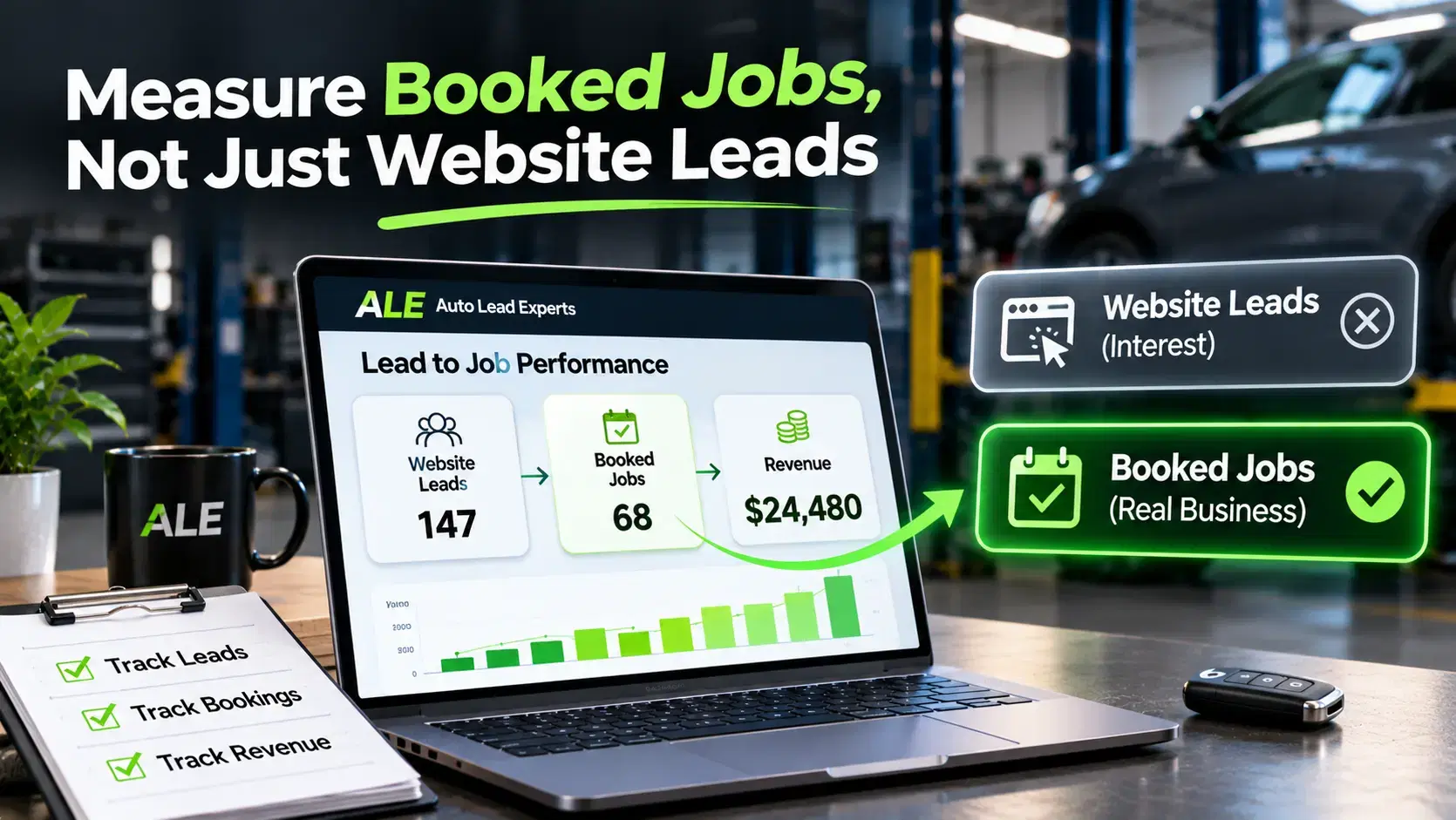
A form submission is the beginning of a sales process, not the final result. Record where inquiries originated, which service they requested, whether staff reached them, and whether they booked.
Compare cost per qualified lead, appointment rate, completed-job revenue, and gross profit by channel. A campaign delivering ten expensive but profitable PPF installations may outperform one producing a hundred bargain-hunting messages.
Use call tracking and consistent campaign tags where appropriate. Connect your CRM to advertising measurement, respecting consent and privacy requirements. Google's enhanced conversions for leads can help associate eligible offline outcomes with ad interactions.
Review results monthly, but avoid changing everything after a few slow days. Small sample sizes can make fluctuations look like meaningful trends.
Frequently Asked Questions
Is automotive PPC better than SEO?
Neither is universally better. PPC can reach customers quickly; SEO can develop ongoing discovery. Choose their balance according to competition, budget, and booking capacity.
Does running Google Ads improve SEO rankings?
No. Google states that advertising does not influence organic placement. Good landing pages may support both channels, but buying ads does not purchase rankings.
How should small auto shops split their budget?
Start with demand and available resources. Fund measurable campaigns while improving essential service pages, then adjust using booked revenue rather than a fixed industry percentage.
What makes automotive digital marketing successful?
Relevant traffic matters, but dependable follow-up and profitable jobs matter more. Track the journey from search to appointment so weaknesses become visible.
Build a System That Learns From Every Lead
Choose one profitable service and review its ads, organic page, inquiry process, and completed jobs together. Fix the biggest breakdown before expanding to another campaign.
Auto Lead Experts helps automotive businesses coordinate search visibility, paid campaigns, and conversion-focused websites. The goal is not to win every click. It is to earn more of the right customers and give them a reason to book.