
Repair shop marketing should not only chase first-time customers.
A strong repair business grows when drivers return, approve needed work, trust recommendations, and remember the shop before the next problem appears. That means marketing for a repair shop must connect with the customer experience inside the business, not just online visibility.
A driver may arrive worried about cost, timing, safety, or whether the repair is really necessary. Good marketing reduces those doubts before, during, and after the visit. It turns one repair into a longer relationship.
Focus on Trust Before Promotion
Repair customers do not buy repairs the way they buy accessories.
They often feel unsure because they cannot see every mechanical issue themselves. That makes trust the center of the marketing strategy.
Your message should show how the shop explains problems, confirms diagnosis, shares options, and helps customers make informed decisions. Use simple language around inspections, estimates, approval steps, warranties, and follow-up.
The best repair marketing does not sound loud. It sounds dependable.
Make Phone Handling Part of Marketing
Many repair leads are won or lost on the phone.
A customer may ask about brake noise, a warning light, an AC issue, or a strange vibration. If the call feels rushed or unclear, they may contact another shop.
Train the team to answer with patience, ask the right questions, explain next steps, and guide the customer toward an appointment. Scripts should not sound robotic, but they should help staff stay consistent.
Marketing brings the lead in. Phone handling turns the lead into a booking.
Explain the Repair Process Clearly
Drivers feel more confident when they know what happens next.
Your marketing should explain how the shop receives the vehicle, performs inspection, communicates findings, gets approval, completes repairs, and confirms pickup details.
This can be shown through website copy, emails, texts, videos, social posts, printed handouts, and service advisor conversations.
A clear process reduces anxiety. It also helps customers understand why diagnosis takes time and why some repairs require proper testing before pricing is finalized.
Use Estimates as a Trust Tool
Estimates are part of the customer experience.
A vague estimate can create doubt. A clear estimate can build confidence. Explain parts, labor, priorities, safety concerns, optional work, and timing in a way the driver can understand.
Repair shops can also use good-better-best options when appropriate. This helps customers decide based on budget and urgency without feeling pressured.
Marketing should support this approach by showing that the shop values transparency, not surprise charges.
Build Repeat Business With Reminders
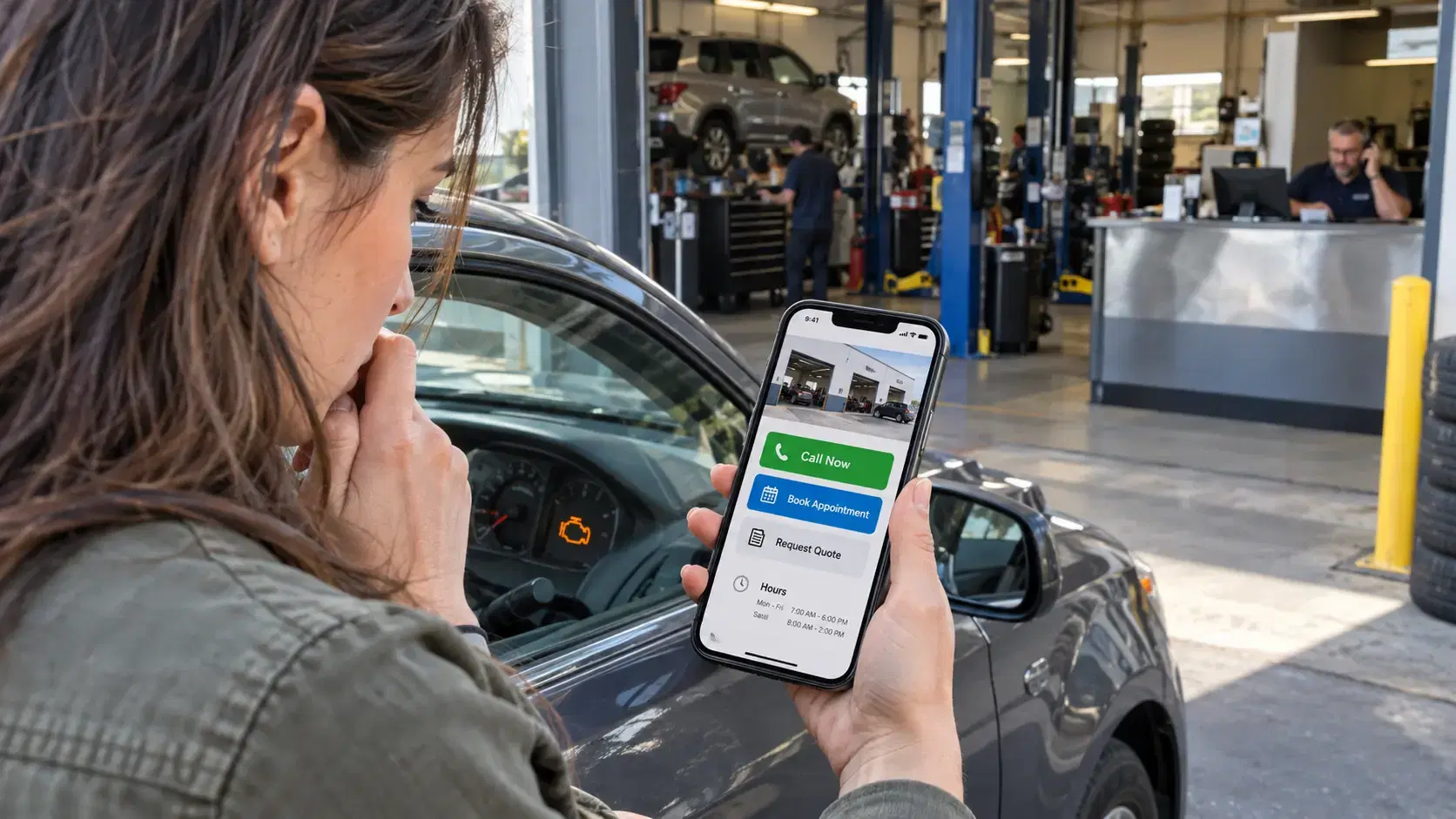
A repair shop does not have to wait for customers to break down again.
Maintenance reminders, seasonal checkups, oil change follow-ups, tire rotation reminders, battery checks, and inspection notes can bring customers back naturally.
These messages should be useful, not pushy. A reminder works best when it is connected to the customer’s vehicle history or previous visit.
Repeat business is often more stable than constantly chasing new customers.
Turn Completed Repairs Into Future Revenue
After a repair is completed, the relationship should continue.
Send a thank-you message. Ask if the vehicle is driving properly. Request a review when the customer is happy. Remind them of any recommended future work. Share simple care tips related to the service they just received.
This follow-up shows professionalism and keeps the shop top of mind.
A customer who trusts the first experience is more likely to return, refer a friend, or approve future maintenance.
Market the People Behind the Shop
Repair is personal.
Customers want to know who is working on their vehicle. Show technicians, service advisors, shop culture, diagnostic tools, training, and real repair stories.
This makes the business feel more human. It also helps separate the shop from competitors that only talk about low prices.
People trust people before they trust a brand.
Connect Marketing With Shop Capacity
Repair marketing should also respect the shop’s real capacity.
If technicians are booked, promote maintenance appointments for future dates instead of pushing emergency work the team cannot handle. If diagnostic bays are open, highlight inspection availability. If parts delays are common, explain scheduling clearly.
This keeps marketing aligned with operations. It prevents overpromising, protects the customer experience, and helps the shop sell the right work at the right time instead of creating stress for staff and customers.
FAQ: Automotive Repair Shop Marketing
What makes repair shop marketing different?
It must build trust around diagnosis, estimates, repairs, and repeat maintenance, not only promote discounts.
How can repair shops get more repeat customers?
Use follow-up messages, maintenance reminders, service history, review requests, and clear communication after each visit.
Should repair shops advertise discounts?
Discounts can help, but trust, communication, and service quality create stronger long-term growth.
What should repair shops track?
Track calls, booked appointments, approved repair value, declined work, repeat visits, reviews, and customer lifetime value.
Build Marketing Around the Customer Relationship
Automotive repair shop marketing works best when it supports the full customer relationship.
That includes the first call, estimate, inspection, repair approval, pickup experience, follow-up, reminders, reviews, and future maintenance.
Auto Lead Experts helps repair shops build marketing systems that connect customer trust, retention, content, follow-up, AI search visibility, website conversion, and lead tracking so more drivers become repeat customers, not only one-time appointments.
That is how repair marketing becomes more than promotion. It becomes a system for stronger service relationships month after month.